

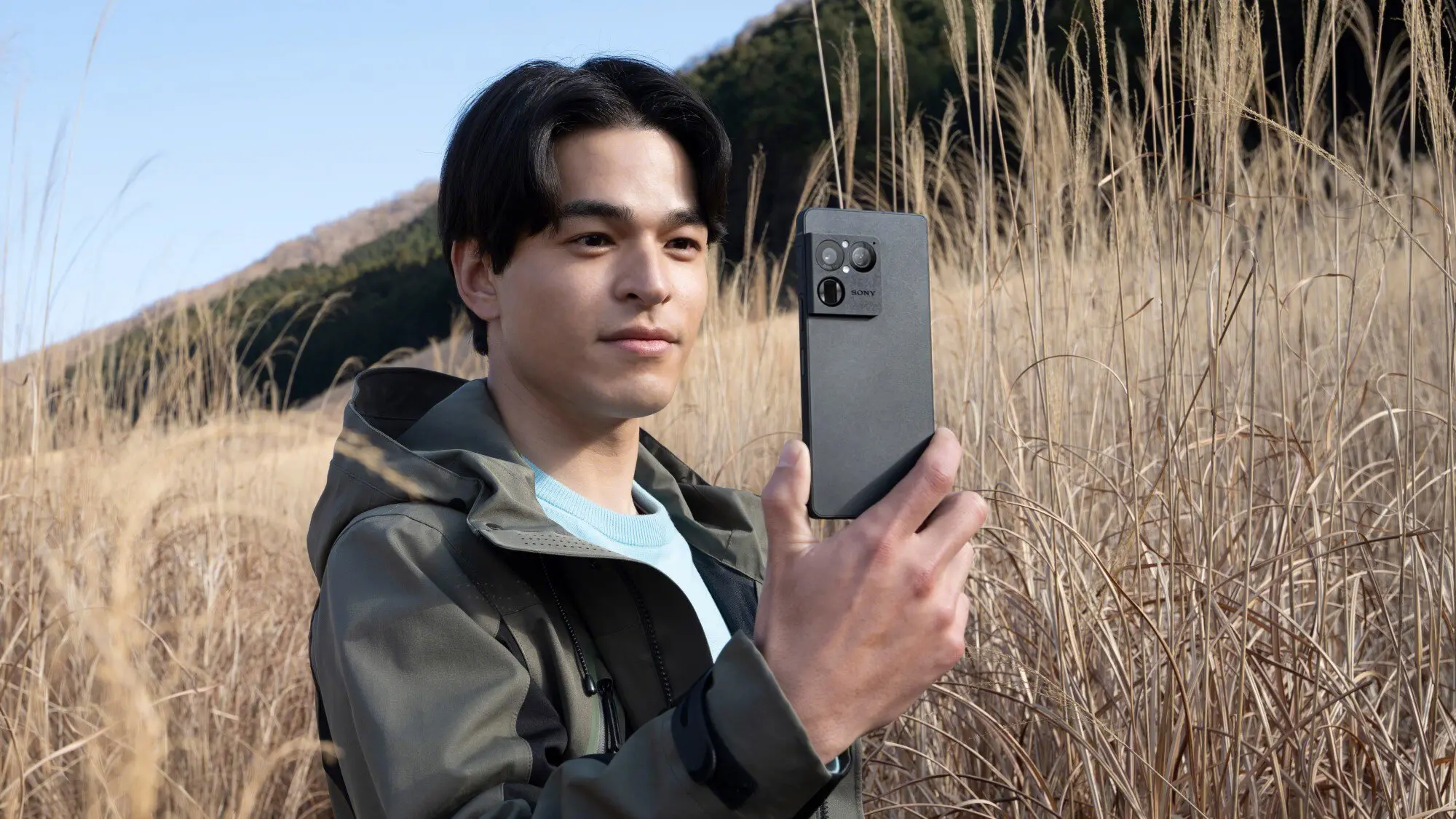
Sony recently found itself at the center of online mockery following the announcement of its new AI Camera Assistant feature for the Xperia 1 VIII smartphone. The company had shared side-by-side comparisons intended to demonstrate the tool's capabilities, yet in every instance, the AI-suggested photo appeared washed out, overexposed, and inferior to the original. The backlash was swift and notable, drawing comments from prominent figures such as Carl Pei, CEO of Nothing, and tech reviewer Marques Brownlee. After days of ridicule, Sony finally responded with a detailed explanation and fresh examples.
The Initial Controversy
The AI Camera Assistant is designed to analyze a scene and subject, then offer four different shooting settings—each aiming for a distinct creative direction. Users can either adopt one of these suggestions or stick with their own manual settings. However, the initial promotional images posted by Sony showed AI-recommended photos that were less sharp, less vibrant, and poorly exposed compared to the originals. This led to widespread disbelief, with many questioning why Sony would choose such unflattering examples to market a premium feature on a flagship device.
The Xperia 1 VIII, launched earlier this year, is Sony's latest attempt to compete in the increasingly crowded premium smartphone market. Sony has long been renowned for its camera technology, from professional Alpha series mirrorless cameras to high-quality sensors used in many other smartphones. This reputation made the marketing misstep even more perplexing. Critics pointed out that if Sony's own AI could not produce better results than a basic auto mode, then the feature seemed pointless—or worse, detrimental to photo quality.
Sony's Official Response
Rather than deleting the controversial images or staying silent, Sony chose to address the issue directly via its official X (formerly Twitter) account. The company stated: "Following the post about AI Camera Assistant, we'd like to explain the feature in more detail. It doesn't edit photos after shooting – it suggests 4 settings in different creative directions based on the scene and subject. You can choose any option or use your own settings." This clarification emphasized that the AI does not apply post-processing but rather recommends camera parameters before the shot is taken. In other words, it is a guide for composition and exposure, not a filter or retouching tool.
To back up its explanation, Sony released a second set of comparison photos. These new examples showed AI suggestions that looked more balanced and natural—certainly an improvement over the first round. The images appeared neither washed out nor overexposed, and the AI's recommended settings seemed to enhance certain aspects like depth of field or color temperature without sacrificing overall quality. This helped to restore some confidence, but it also raised a critical question: why were the initial images so poor?
Unanswered Questions
Despite the updated examples, the incident left lingering doubts about Sony's imaging judgment. If the AI Camera Assistant can produce solid suggestions, why would Sony's marketing team select such unflattering comparisons in the first place? Was it a rushed decision, or does Sony genuinely believe that overly bright, desaturated photos are artistically superior? For a company that sells professional-grade cameras and lenses, such a misjudgment seems out of character.
Moreover, the entire episode highlights the challenges of marketing AI features in photography. Consumers have become increasingly skeptical of AI-driven enhancements, especially after numerous cases where companies overpromised and underdelivered. From Google's early Pixel 'AI' photo tricks to Samsung's infamous moon shots, the line between genuine computational photography and deceptive marketing is often blurry. Sony's misstep may be a cautionary tale for other manufacturers seeking to leverage AI as a selling point.
Background: Sony's Place in Imaging
To understand why this controversy mattered, it helps to look at Sony's history in imaging. Sony is the world's largest image sensor manufacturer, supplying components to Apple, Samsung, and countless others. Its professional cameras are widely used by photographers and filmmakers. The Xperia line has traditionally borrowed technology from Sony's Alpha series, including features like real-time eye autofocus and advanced video stabilization. The Xperia 1 VIII continues this legacy, aiming to bridge the gap between smartphone convenience and dedicated camera performance.
The AI Camera Assistant is intended to help users achieve creative looks without needing manual proficiency. It analyzes lighting, subject distance, and scene complexity, then suggests combinations of aperture, shutter speed, ISO, white balance, and even focus mode. For example, in a portrait scenario, it might recommend a wider aperture for bokeh, while in low light it might prioritize shutter speed to reduce blur. Theoretically, this is a valuable tool for novice photographers who want to learn and experiment. But if the suggestions lead to worse results, the tool becomes a liability rather than a benefit.
Expanding the Context: AI in Smartphone Photography
The broader context of AI in smartphone photography is relevant. Over the past decade, smartphones have largely replaced point-and-shoot cameras thanks to computational photography. Apple's Smart HDR, Google's Night Sight, and Huawei's AI scene detection all use machine learning to improve images. These systems are generally trained on millions of photos to recognize scenes and optimize settings automatically. Sony's approach differs by leaving the final decision to the user, offering suggestions rather than automatic corrections. This is more akin to a 'pro' assistant than a fully automatic mode, which could appeal to enthusiast photographers who want control without the complexity.
However, the backlash suggests that Sony's AI might need more training or better calibration. The initial poor examples could stem from an algorithm that overexposed highlights or desaturated colors in an attempt to preserve detail—a common issue in early HDR implementations. Sony's explanation that the AI "doesn't edit photos after shooting" implies that it relies entirely on hardware and pre-capture settings, meaning any flaw in the algorithm directly impacts the final image. If the AI suggests settings that are too aggressive, the user may end up with a photo that cannot be fixed later.
Furthermore, the marketing department's choice of examples may indicate a disconnect between engineering and communication. Engineers might have developed a feature that works well in many scenarios, but marketers picked extreme or unflattering cases to highlight the creative directions—perhaps an unwise decision. The fact that Sony responded with better examples suggests it does have confidence in the technology, but the initial blunder will be hard to forget.
Industry Reactions and Community Impact
The reaction from industry insiders was telling. Carl Pei joked that "Sony AI suggests you buy a different phone," while Marques Brownlee simply posted a laughing emoji. These influential voices can shape consumer perception, and Sony's quick response was necessary to contain the damage. Yet, the incident also generated free publicity—many tech enthusiasts who might have ignored the Xperia 1 VIII are now aware of the AI Camera Assistant, even if for the wrong reasons.
For Sony, the key takeaway is the importance of thorough vetting of marketing materials, especially for features that rely on subjective aesthetic judgments. The new examples appear to be a step in the right direction, but only time (and independent reviews) will tell if the AI Camera Assistant is genuinely useful in everyday use. Users will need to test it in diverse conditions—portraits, landscapes, low light, action shots—to see if the suggestions consistently enhance or hinder their results.
Looking Ahead: Sony's Mobile Strategy
Sony's mobile division has struggled to gain traction in a market dominated by Apple and Samsung. The Xperia 1 VIII is a niche device aimed at photography and video enthusiasts, with features like a dedicated shutter button, 4K display, and professional-grade camera app. The AI Camera Assistant is part of a broader effort to make these pro features more accessible. However, missteps like this can undermine trust. Sony must now work to rebuild credibility by ensuring that future updates improve the AI's performance and that marketing accurately reflects real-world capabilities.
In the end, the incident serves as a reminder that even established imaging experts can falter when integrating AI. The algorithm's recommendations must be vetted not just by engineers but by experienced photographers who understand what constitutes a pleasing image. Sony's explanation and updated examples have partially addressed the backlash, but the lingering questions about judgment and quality control remain. As AI continues to permeate every aspect of smartphone photography, companies must be transparent and humble in their approach—two qualities that Sony's initial marketing lacked.
Source: Android Authority News