

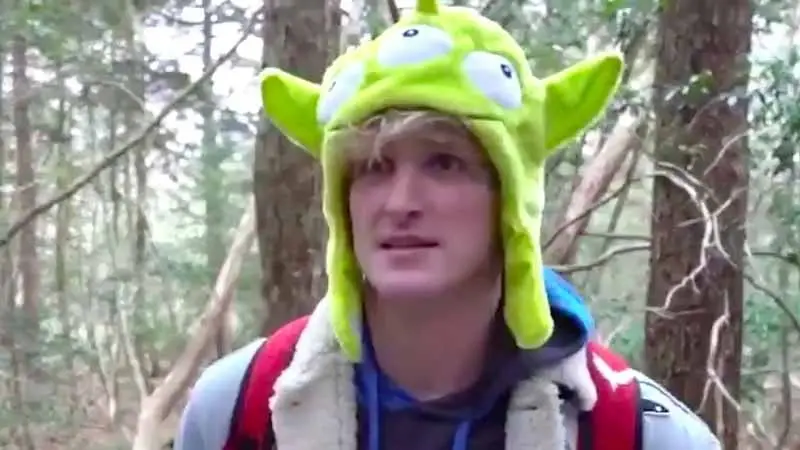
Logan Paul Films Suicide Victim in Aokigahara Forest
Logan Paul, one of YouTube's most prominent and controversial creators, ignited a firestorm of criticism in early January 2018 after posting a vlog that showed the body of a suicide victim in Japan's Aokigahara Forest. The video, titled "We found a dead body in the Japanese Suicide Forest..." was uploaded to his channel, which then boasted over 15 million subscribers. Within hours, it drew millions of views and a torrent of condemnation from fans, mental health advocates, and fellow celebrities.
The Video's Content
The vlog documented Paul and his group's visit to Aokigahara, a dense woodland at the northwest base of Mount Fuji, notorious as a site for suicides. Over the years, hundreds of people have taken their own lives there, prompting authorities to post signs urging those in distress to seek help and to place patrols to prevent further tragedies. In the video, Paul initially appears somber as he discusses the forest's dark reputation, but the tone shifts quickly. The group stumbles upon the body of a man who had apparently died by suicide. Paul films the corpse multiple times, zooming in on the feet and upper body, though the face is pixelated. At one point, he puts on a bright yellow hat and makes jokes, laughing with his companions. The BBC later reported that Paul laughed and asked a friend, "What, have you never seen a dead body before?" when the friend expressed discomfort.
Immediate Backlash and Criticism
The video was met with an overwhelming wave of outrage. Viewers accused Paul of being disrespectful, exploiting a tragedy for views, and trivializing suicide. The video received over 600,000 likes before it was removed, but the criticism far outweighed the support. Notable figures such as actor Aaron Paul (no relation) and Zach Braff publicly denounced Logan Paul. Aaron Paul tweeted, "This is why I despise this generation... you are disgusting." Mental health organizations and suicide prevention advocates condemned the content for potentially glamorizing or desensitizing the act. The hashtag LoganPaulIsOverParty trended on Twitter.
Logan Paul's Apologies
In the face of mounting pressure, Logan Paul issued multiple apologies. The first was a brief statement on Twitter, where he wrote, "I'm so sorry." He then posted a longer video apology titled "So Sorry" on his channel, in which he acknowledged the gravity of his actions. "I didn't do it for views. I did it because I thought I could make a positive ripple on the internet, but it was a mistake," he said. He admitted that nothing excuses his behavior and urged his fans not to defend him. He also reached out privately to the victim's family, though the family's reaction was not publicly disclosed. In his apologies, he emphasized that suicide is no joke and that he hoped his video did not cause further harm. Despite these efforts, many felt the apology was insincere and came only after the backlash, not out of genuine remorse.
Context: Who Is Logan Paul?
Logan Paul rose to fame on the now-defunct short-form video platform Vine, where his irreverent and often juvenile comedy earned him millions of followers. After Vine shut down, he transitioned to YouTube, amassing a massive subscriber base with daily vlogs, pranks, and stunts. His content frequently courted controversy, from stunts that endangered wildlife to behavior deemed reckless. However, the Aokigahara incident marked a new low, drawing global media attention and sparking discussions about the ethics of content creation on platforms that reward shock value. Paul's career before this point had already seen him venture into music, merchandise, and even a short-lived TV series, but the suicide forest video threatened to derail everything.
The Aokigahara Forest: A Sensitive Location
Aokigahara, also known as the Sea of Trees, is a 35-square-kilometer forest that has become infamous as a suicide destination. Estimates suggest that dozens of bodies are discovered there each year. The forest's density and isolation make it a place of deep sadness, and local authorities have taken measures to deter potential suicides, including signs with messages like "Your life is a precious gift from your parents" and hotline numbers. Volunteer patrols search for people in distress, and rescue teams retrieve bodies. By filming a corpse and treating the discovery as a spectacle, Paul violated the dignity of the deceased and the cultural sensitivity of the site. Many critics noted that he seemed more focused on creating provocative content than on respecting the victim or the location.
YouTube's Response and Policy Changes
YouTube initially did not remove the video, allowing it to stay up for nearly 24 hours before pulling it down. The platform faced criticism for its slow response, leading to accusations that it prioritizes engagement over responsibility. In the aftermath, YouTube issued a statement condemning Paul's video but stopping short of demonetizing his entire channel. Instead, it temporarily suspended ads on his channel and removed him from the Google Preferred advertising program. The incident contributed to ongoing scrutiny of YouTube's content moderation policies, especially regarding graphic or harmful material. In 2019, YouTube updated its harassment and censorship policies, though critics argue that enforcement remains inconsistent. Paul's video became a case study in the dangers of the platform's algorithmic promotion of sensational content.
Broader Implications for Influencer Culture
The Logan Paul controversy highlighted the darker side of influencer culture, where the drive for views and revenue can lead to ethical lapses. Many young creators look up to Paul, and his actions raised questions about the responsibility that comes with a massive audience. Mental health professionals warned that such content could be triggering for vulnerable viewers and could encourage copycat behavior. The event also sparked conversations about the need for better mental health resources and education on social media platforms. Paul himself later tried to rehabilitate his image by engaging in charitable work and posting more serious content, but the stain of the Aokigahara video remains a defining moment in his career.
Key Facts at a Glance
- Logan Paul filmed the body of a suicide victim in Japan's Aokigahara Forest on December 31, 2017, and posted the video on January 1, 2018.
- The video showed the corpse for several seconds, with the face pixelated but the body clearly visible.
- Paul made jokes and laughed in the video, prompting accusations of disrespect.
- He received widespread criticism from fans, mental health advocates, and celebrities.
- Paul issued multiple apologies via Twitter and YouTube, saying he was deeply sorry.
- YouTube removed the video and temporarily suspended monetization on Paul's channel.
- The incident led to discussions about platform responsibility and the ethics of content creation.
- Paul's career later recovered, but the controversy remained a significant blemish on his legacy.
Source: PlayCentral News